MULTI-ENGINE RATING
Multi-Engine Rating
A Multi-Engine Rating allows you to act as pilot in command of aircraft with more than one engine, expanding your capabilities and opening the door to more advanced flying opportunities.
Why Earn a Multi-Engine Rating?
Expand Your Flying Opportunities
Many commercial, corporate, charter, and airline operators require or prefer pilots with multi-engine experience.
Master Advanced Aircraft
Develop the skills to safely operate more complex aircraft while managing multi-engine systems and emergency procedures.
Prepare for Professional Aviation
For many pilots, a Multi-Engine Rating is an important step toward commercial flying, flight instruction, and airline careers.
Build Confidence
Learn to manage increased aircraft performance, higher workloads, and engine-out scenarios with confidence.
Training Outcomes
Ground and flight instruction covering multi-engine operations.
YOU’LL LEARN TO
- Understand multi-engine aerodynamics
- Operate advanced aircraft systems
- Perform normal and crosswind takeoffs and landings
- Manage engine-out procedures and emergency operations
- Improve aircraft performance and systems management
- Prepare for the FAA practical exam
Program Prerequisites
Hold at least a Private Pilot Certificate with an Airplane Single-Engine Land (ASEL) rating
Provide proof of U.S. citizenship or TSA approval
Be proficient in takeoffs, landings, and instrument procedures
Complete any required ground preparation before training
Recommended Before You Begin
A Multi-Engine Rating can be added to a Private Pilot Certificate, but many pilots earn it after their Commercial Pilot Certificate and Instrument Rating to maximize its value and reduce costs.
Time & Investment
TRAINING TIMELINE
Depending on choice of aircraft, frequency of training, training location, 3rd party check ride fees, previous experience, study habits, choice of training equipment will influence the range of pricing.
Cost estimates for 2026: most sources put the total price at roughly $3,000–$7,000, driven mainly by the higher rental cost of twin-engine trainers (around $250–$270/hour for a common trainer like a Piper Seminole).
Frequently Asked Questions
No. A Multi-Engine Rating can be added to a Private, Commercial, or Airline Transport Pilot Certificate. However, many pilots choose to earn it after completing their Commercial Pilot Certificate and Instrument Rating.
Training timelines vary based on your experience, proficiency, and training frequency. Because there are no FAA minimum training hour requirements for a Multi-Engine add-on rating, every student’s training plan is personalized.
Depending on your training program and goals, simulator training may be incorporated to reinforce multi-engine procedures before transitioning to the aircraft.
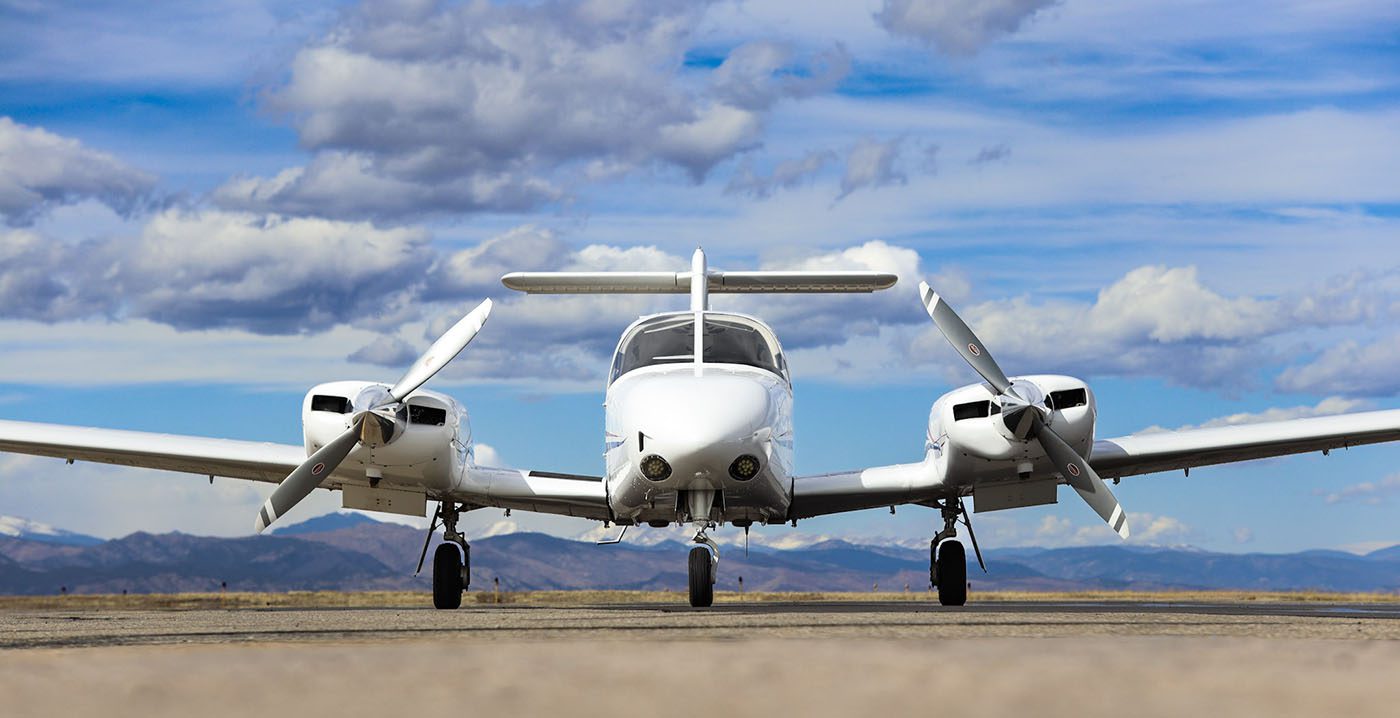
American Flight Schools conducts Multi-Engine training in the 2024 Piper Seminole, one of the industry’s most respected multi-engine training aircraft with modern avionics.
Many pilots continue building multi-engine experience, pursue a Multi-Engine Instructor (MEI) certificate, or continue toward airline, corporate, charter, and other professional flying opportunities.
Still have questions about multi-engine training?