Why Earn an Instrument Rating?
Fly in More Conditions
Operate under Instrument Flight Rules (IFR), giving you greater flexibility when weather conditions aren’t suitable for visual flight alone.
Become a More Skilled Pilot
Build precision, situational awareness, navigation skills, and aeronautical decision-making that improve every flight.
Expand Your Flying Opportunities
Whether you fly for business, recreation, or a future aviation career, an Instrument Rating opens the door to more airports, routes, and operating conditions.
Prepare for What's Next
For most professional pilots, an Instrument Rating is the next step before earning a Commercial Pilot Certificate.
Training Outcomes
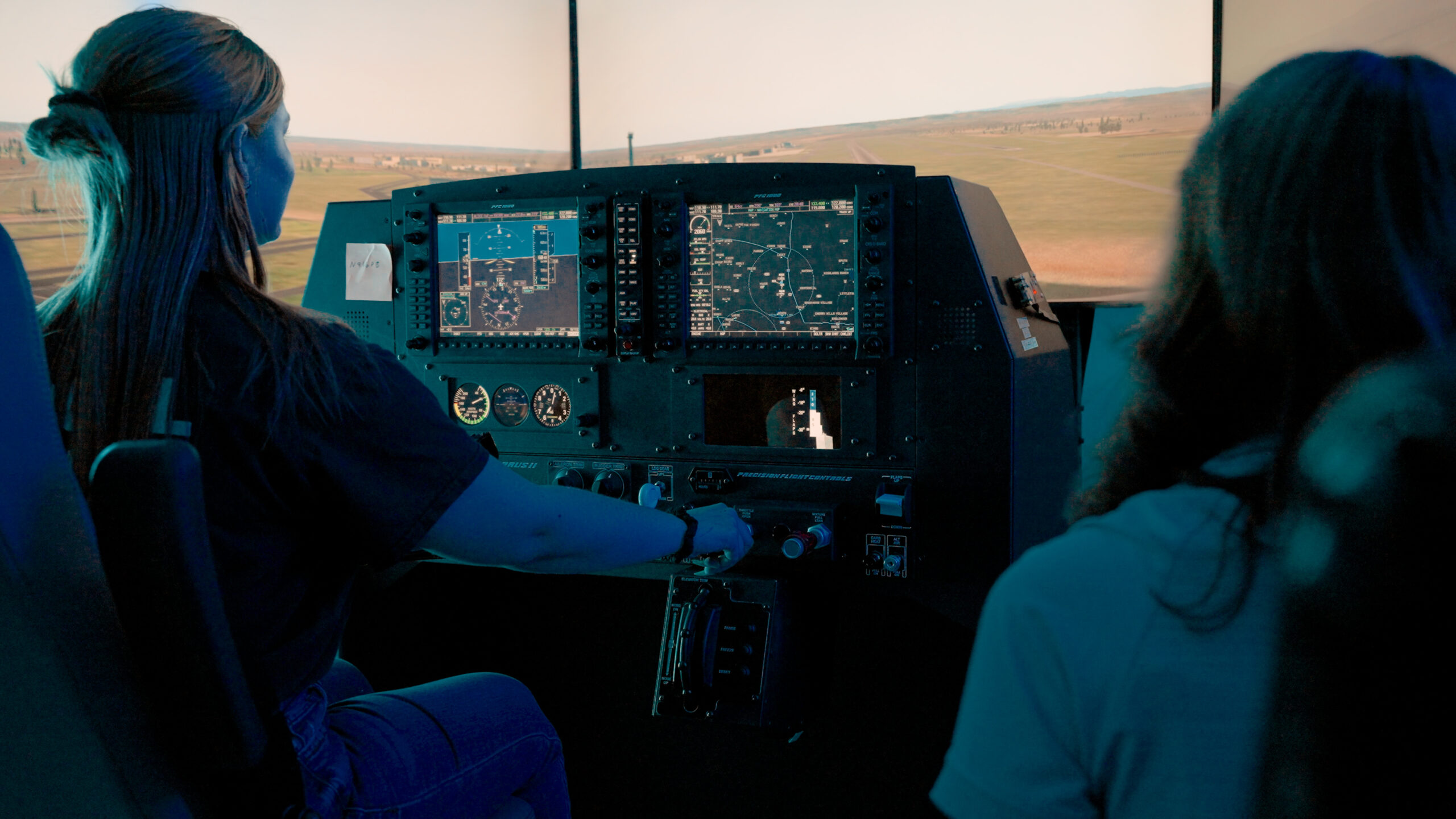
Training includes ground instruction, flight training, and, when appropriate, simulator instruction focused on real-world IFR operations.
YOU'LL LEARN TO
- Fly solely by reference to instruments
- Fly instrument departures, arrivals, and approaches
- Interpret aviation weather
- Handle emergency and abnormal procedures
- Plan and navigate IFR flights
- Communicate with Air Traffic Control
- Manage risk and make sound aeronautical decisions
- Maintain situational awareness in all phases of flight
Program Prerequisites
Hold a Private Pilot Certificate
Meet applicable FAA eligibility requirements
Be able to read, write, speak, and understand English
Not sure if you're ready?
We’ll review your experience and recommend the best training path.
Time & Investment
TRAINING TIMELINE
~40 hrs
FAA minimum instrument time
FAA regulations require a minimum of 40 hours of actual or simulated instrument time. Depending on your training program, up to 20 hours may be completed in an FAA-approved simulator or Aviation Training Device (ATD).
Actual training time varies based on proficiency, training frequency, weather, and practical exam availability.
INVESTMENT
Depending on choice of aircraft, frequency of training, training location, 3rd party check ride fees, previous experience, study habits, choice of training equipment will influence the range of pricing.
The total cost for an instrument rating in 2026 typically falls between $12,000 and $18,000 depending on your location, aircraft type, and how many hours you need
What will it cost you? Build an estimate for your Instrument Rating around the aircraft you’d fly, your home airport and how often you’ll train.
Frequently Asked Questions
While it’s not required in every circumstance, most pilots earn their Instrument Rating before beginning commercial training. Many professional flying opportunities also expect pilots to hold an Instrument Rating.
Training timelines vary based on your experience, proficiency, training frequency, weather, and examiner availability. The FAA requires a minimum of 40 hours of actual or simulated instrument time, though many pilots require additional training before they’re ready for the checkride.
Not every student will incorporate simulator training into their program. When used, up to 20 hours may be applied toward the FAA’s instrument training requirements, providing a cost-effective way to build proficiency in instrument procedures, approaches, and emergency scenarios.
Absolutely. Many of our students train around work, school, and family commitments. Our flexible scheduling allows you to progress at a pace that fits your availability.
Many pilots continue into a Commercial Pilot Certificate, followed by additional ratings such as Certified Flight Instructor (CFI), Multi-Engine, or Airline Transport Pilot (ATP), depending on their aviation goals.
Still have questions about instrument training?